A researched Norfolk beach guide

Dog-friendly beaches in Norfolk with clear rules

Eight beaches across west, north and east Norfolk, with clear seasonal zones, lead requirements and wildlife guidance.

Researched from official sourcesLast checked 16 September 2026
Choose a coast
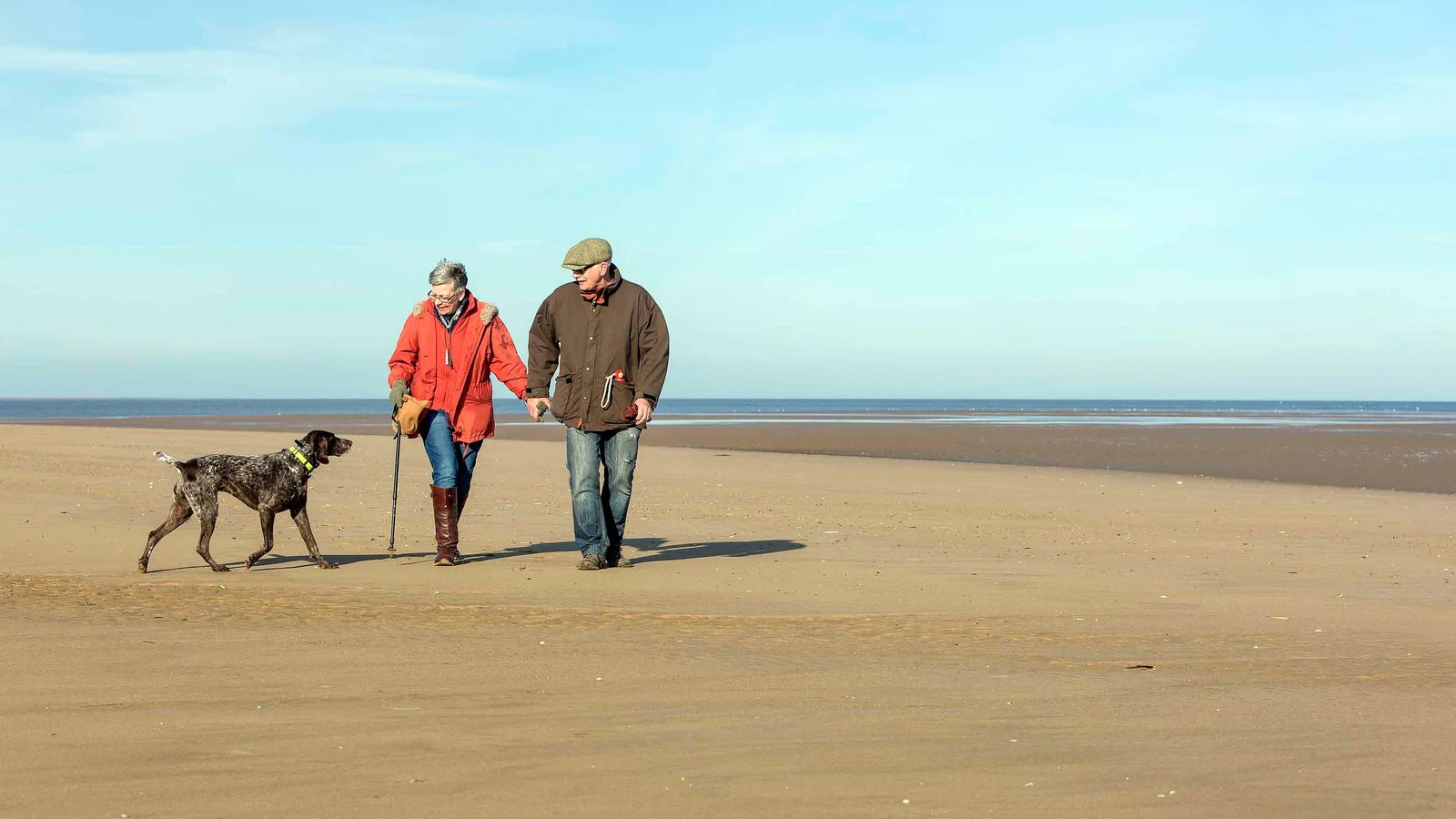
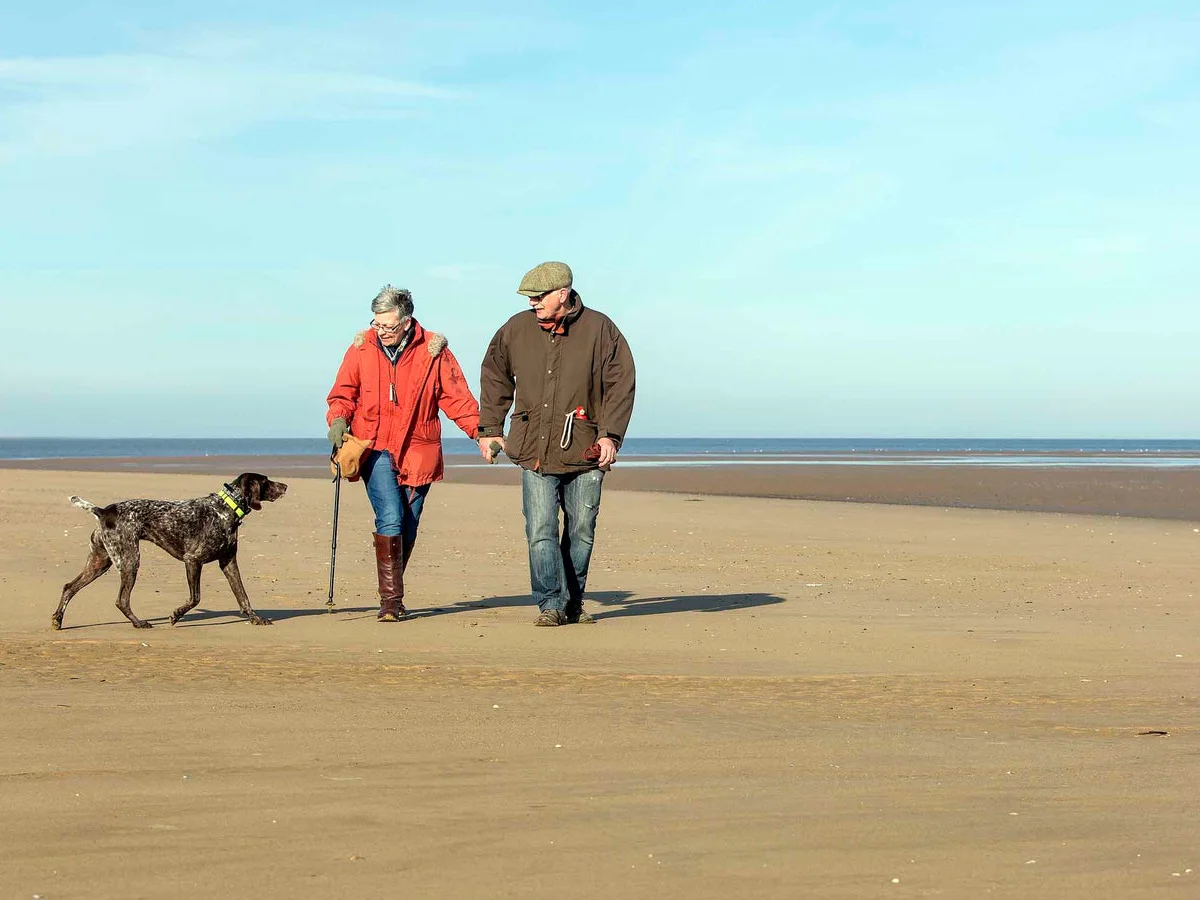
Two people walking a dog across Brancaster Beach
A dog walk across the wide sands at Brancaster.

Start with the rule, then the beach

Choose a Norfolk beach before setting out

Rules differ by exact beach section, date and time. Start with the rule that applies to your day, then check the linked current source and signs on arrival.

What β€œdog friendly” means here

Every card links to the source for its rule and access details. A beach can be dog friendly at one time, but have a timed restriction, a lead condition or a difficult route to the sand at another.

West Norfolk sand

West Norfolk sand

A year-round Old Hunstanton walk or Brancaster's broad beach, where the eastern nesting-bird zone is the meaningful difference.

Old Hunstanton, west Norfolk

Old Hunstanton Beach
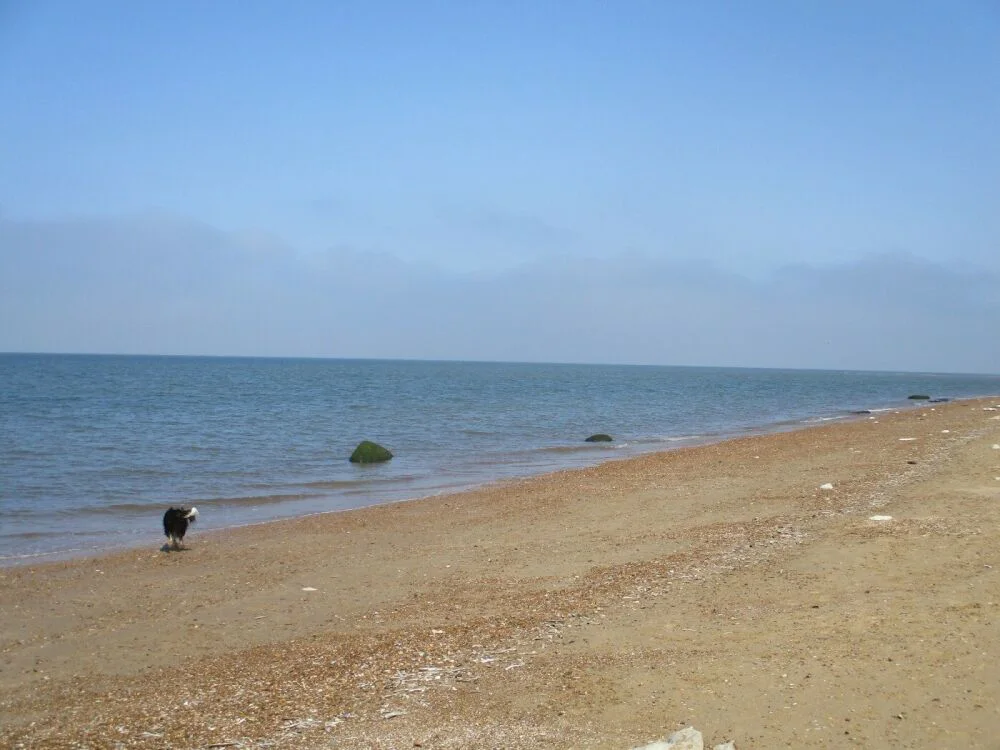
Dog on the shore at Old Hunstanton Beach

Best for: A broad sandy walk in Old Hunstanton throughout the year.

The dog ruleVisit Norfolk says Old Hunstanton is dog friendly all year round.

Lead rule
Keep dogs under control and follow local dune and wildlife signs.
Access
Visit Norfolk identifies a large car park and shallow tidal water. Tides change the usable beach substantially.
Arrival
Use the named Old Hunstanton Beach arrival point, then follow local parking and beach signs.
Before you go
The broad sands and shallow water are tidal.
Before you go
Follow local dune and wildlife signs rather than treating an all-year beach statement as permission everywhere.
Brancaster Estate, west Norfolk

Brancaster Beach

Two people walking a dog on Brancaster Beach

Best for: A sandy walk outside the fenced eastern nesting-bird zone.

The dog ruleNational Trust says the whole beach is available to dogs except a fenced dog-free zone at the eastern end, to the right of the entrance, from May to September.

Lead rule
Near the summer dog-free zone, follow signs and keep dogs on a lead because of protected nesting birds. Elsewhere the Trust asks for close control.
Access
Visit Norfolk places the car park by the Royal West Norfolk Club. National Trust provides dog bins by the toilets.
Arrival
Use the named Brancaster Beach arrival point, then take the signed approach and keep right-hand eastern nesting-zone rules in view.
Before you go
The fenced eastern section is a defined zone, not a whole-beach summer ban.
Before you go
Keep clear of nesting-bird signs and use close control.

Holkham, Wells and Cley

Holkham, Wells and Cley

North-coast sand and shingle where wildlife and the exact dog-eligible section shape the walk.

Holkham National Nature Reserve, north Norfolk

Holkham Beach

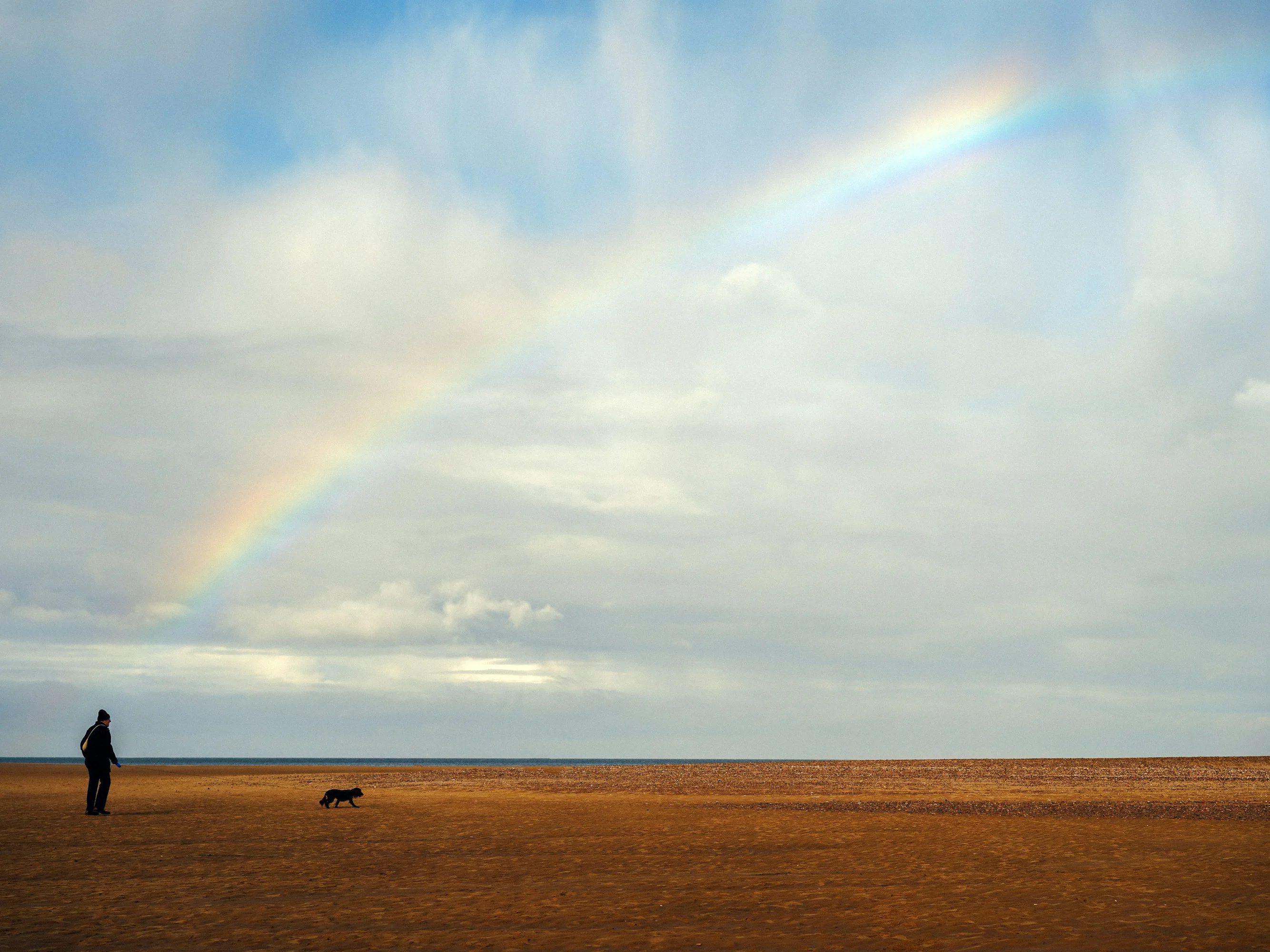
Dog walker beneath a rainbow on Holkham Beach

Best for: A spacious reserve beach with signed seasonal lead zones.

The dog ruleHolkham says dogs are welcome year-round. From 1 April to 31 August, dogs must be on leads in its signed vulnerable areas, while more than 70% of the beach remains available off lead under close control.

Lead rule
Follow the annual signed lead zones and roped nesting-bird cordons. Holkham asks for dogs to be on lead or under close control at all times.
Access
Holkham directs beach visitors to Lady Anne's Drive. Its beach boardwalk leads to a viewing platform and continues to the beach, where shifting sand can leave a drop at the end.
Arrival
Use the named Holkham Beach arrival point and the Lady Anne's Drive beach approach, not a generic estate pin.
Before you go
Twice-daily tides change the beach.
Before you go
Do not enter roped nesting-bird areas.

Wells-next-the-Sea, north Norfolk

Wells-next-the-Sea Beach

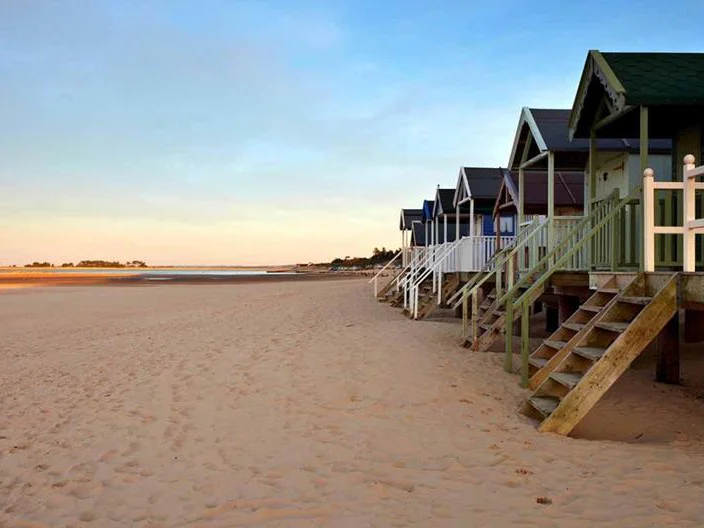
Beach huts along Wells-next-the-Sea Beach

Best for: A north-coast beach walk on the dog-eligible side of the eastern exclusion.

The dog ruleHolkham says dogs are allowed on Wells Beach, except for a small dog-free section at the eastern end.

Lead rule
Keep to the dog-eligible side of the beach and follow signed wildlife restrictions.
Access
Holkham's Wells Beach car park is on Beach Road. If it is full, the operator directs drivers to Freeman Street in Wells town, a three-quarter-mile walk to the beach.
Arrival
Use the named Wells-next-the-Sea Beach arrival point and choose the dog-eligible side after checking on-site signs.
Before you go
At low tide the sea can retreat a long way and returns quickly; Visit Norfolk says to heed the hooter.
Before you go
The eastern dog-free section remains material.

Cley-next-the-Sea, north Norfolk

Cley Beach, east of the car park

Shingle shore at Cley Beach

Best for: A year-round shingle walk east of Cley car park.

The dog ruleNational Trust says dogs can walk on the shingle beach east of Cley car park throughout the year.

Lead rule
During ground-nesting bird and seal-pupping seasons, National Trust asks dogs at Cley to be on a lead. The westward Blakeney Point route has different, stronger no-dog periods and is not this recommendation.
Access
National Trust's Blakeney walk identifies Cley Beach, Norfolk Wildlife Trust car park, as the start point. The car park is signposted Beach from the A149 at Cley village.
Arrival
Use the named Cley Beach arrival point, then walk east from the car park. Do not use it to enter dog-restricted Blakeney Point to the west.
Before you go
Blakeney Point west of the car park is a separate restricted place.
Before you go
Shingle walking and wildlife seasons make a lead essential at sensitive times.

East-coast wildlife and zones

East-coast wildlife and zones

A mapped Sea Palling summer zone, then Winterton and Horsey where dunes and seals alter a dog walk.

Sea Palling, east Norfolk

Sea Palling Beach

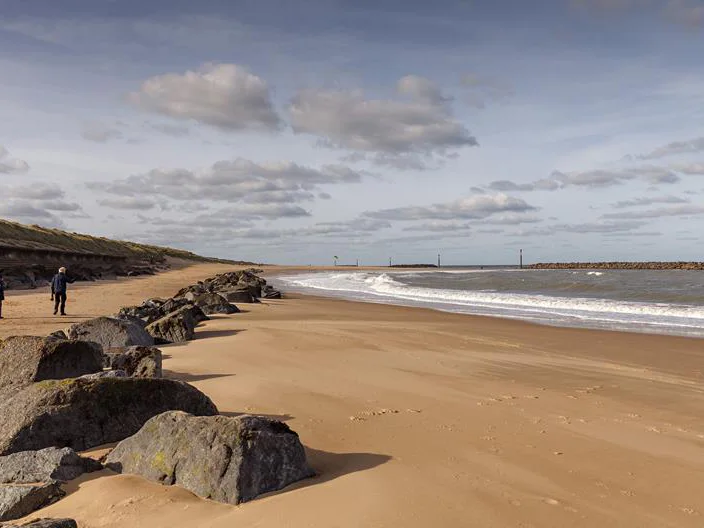
Rock groynes and sand at Sea Palling Beach

Best for: A sandy visit after checking the mapped summer access and beach zones.

The dog ruleFrom 1 May to 30 September, dogs are excluded from the main seafront bay marked red on the Council map. The separate blue access sections are lead-only during those dates.

Lead rule
Keep dogs on a lead on the blue-marked access paths from 1 May to 30 September. Follow the Council map and on-site signs to avoid the red no-dog bay.
Access
The Beach Road arrival reaches the main seafront. Visit Norfolk identifies the northern beach section for a summer dog walk; use the Council map to choose the signed approach.
Arrival
Arrive at Sea Palling Beach on Beach Road, then follow signs to the northern dog-eligible section rather than crossing the restricted main bay in summer.
Before you go
Check current flags and lifeguard cover before entering the water.
Before you go
The mapped zones determine where a summer dog walk is permitted.

Winterton-on-Sea, east Norfolk

Winterton-on-Sea Beach

Dog on the sand at Winterton-on-Sea Beach

Best for: A beach and dune walk away from wildlife cordons and the winter seal colony.

The dog ruleVisit Norfolk lists Winterton as a beach without dog restrictions. The surrounding dunes and winter seal colony need separate care.

Lead rule
Government reserve guidance asks for dogs on a lead at all times in Winterton Dunes, especially during April to July nesting. During the winter seal-colony period, choose another beach for a dog walk.
Access
Use Winterton Beach Car Park, then stay on designated dune routes and follow current warden and reserve signs.
Arrival
Use Winterton Beach Car Park for the beach approach, then stay on designated routes through the dunes and follow wildlife signs.
Before you go
Norfolk Wildlife Trust advises leaving dogs at home for the winter colony visit, during the October-to-February breeding season.
Before you go
Stay off the colony beach and follow wardens and roped viewing routes when seals are breeding.

Horsey, east Norfolk

Horsey Gap

Dunes and beach at Horsey Gap

Best for: A coastal dog walk outside the winter seal-pupping period.

The dog ruleDogs are generally permitted, but Horsey is a poor dog-walking choice during the winter seal-pupping season. Norfolk Wildlife Trust advises leaving dogs at home for the colony visit from October to February.

Lead rule
Follow local lead signs and wardens. Visit Norfolk specifies leads during November-to-January seal pupping; the stronger winter recommendation is to visit the colony without a dog.
Access
Use the named Horsey Gap arrival point and follow wardens' directions. This is a seal-colony visit in winter, not a routine dog beach plan.
Arrival
Use the named Horsey Gap arrival point, then follow current warden signs rather than approaching seals or the dune edge.
Before you go
Do not approach seals, including pups.
Before you go
In the October-to-February seal period, choose another beach with a dog rather than relying on the broader no-restrictions summary.

The useful short answers

Questions about dog-friendly Norfolk beaches

Are Norfolk beaches dog friendly all year?

There is no single county-wide rule. Old Hunstanton welcomes dogs year-round, while other beaches have seasonal zones, permanent dog-free sections or wildlife guidance. Read the individual card and follow current signs.

Where can I plan a summer dog walk?

Old Hunstanton is an all-year choice. Brancaster permits dogs outside its fenced eastern nesting zone, and Holkham keeps much of its beach available while requiring leads in marked vulnerable areas from 1 April to 31 August.

Is Cley Beach the same as Blakeney Point?

No. This guide recommends the shingle beach east of Cley car park. Blakeney Point extends west and has separate no-dog periods. Keep your dog on a lead at Cley during sensitive bird and seal seasons.

Should I bring a dog to see the winter seals?

Choose another beach for a dog walk during the winter colony period. Norfolk Wildlife Trust asks visitors to leave dogs at home and stay off the colony beach during the October-to-February breeding season, using designated viewing routes instead.

Help keep this guide useful

Is something wrong?

Beach rules can change. Tell us if a rule, arrival point or official link is out of date.